
What are the strongest arguments for and against the Supreme Court’s ruling in Citizens United? (Describe at least one on either side)
Week 15: Voting, Elections, and Campaign Finance

What are the strongest arguments for and against the Supreme Court’s ruling in Citizens United? (Describe at least one on either side)

Drawing on each reading, try – in your own words – to describe the constitutional powers of Congress and the President on questions of immigration and citizenship. (For instance, are these powers broad or narrow? How, if at all, are they constrained?)
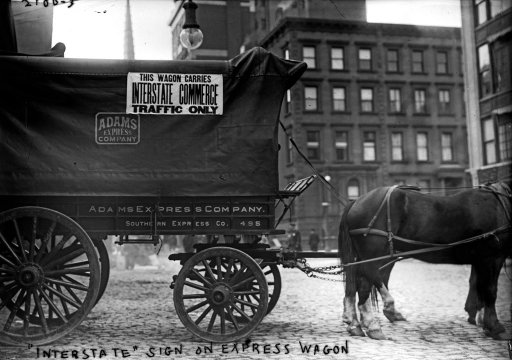
Why does Eric Claeys think the Affordable Care Act is unconstitutional and why does he predict the Supreme Court will protect it anyway?
[Note: There have been many important developments on this question even within the last few weeks. The Justice Department wants to strike down the ACA again. We’ll talk about this in class, but I’d recommend doing some background reading on this, too]

How did the Clinton and Obama Administrations justify their decisions to engage in military action without the explicit approval of Congress? Were you convinced by their reasoning?
PS OLC stands for Office of Legal Counsel, which is basically the President’s legal team.

Of all the arguments in the articles and the podcast, describe one arguing in favor of a strong executive and one arguing against. Then say something about what you think are the strengths and weaknesses of these arguments.

As I warned you, the reading is tough. There are two main things I want us to get our heads around:
1) Arkes cites Antonin Scalia’s view that “the Congress has the authority to make laws, not legislators.” Why do you think he harps on this point so much, and why is it relevant to the New Deal?
2) What are Arkes’s criticisms of how the New Deal affected the Commerce Clause? [Hint – a bit of control-F might help you get to this quickly)
On both of these questions, we will discuss counter-arguments in class – try to start thinking of some here.
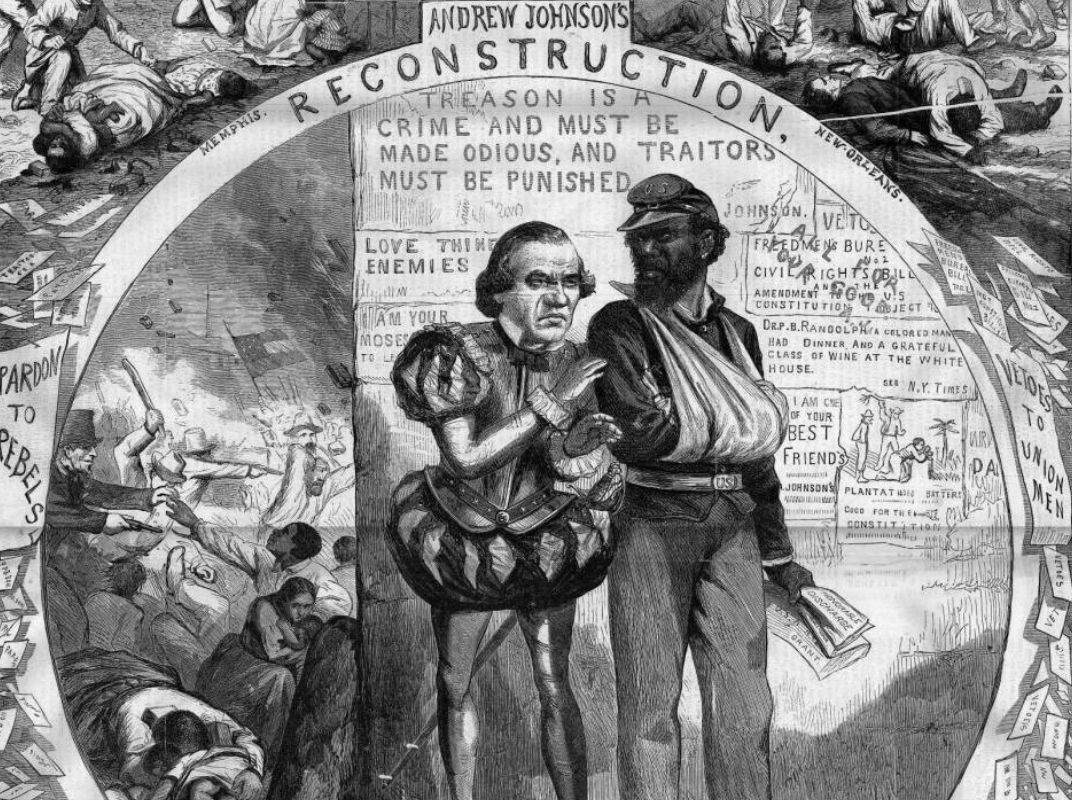
Vorenberg writes on Page 425: “If we are to lay some of the blame for the shortcomings of Reconstruction at the feet of the law, we should be careful to lay it at the feet of judges, not at the feet of the people and their elected officials who created the text of the law.”
How does he reach this conclusion?
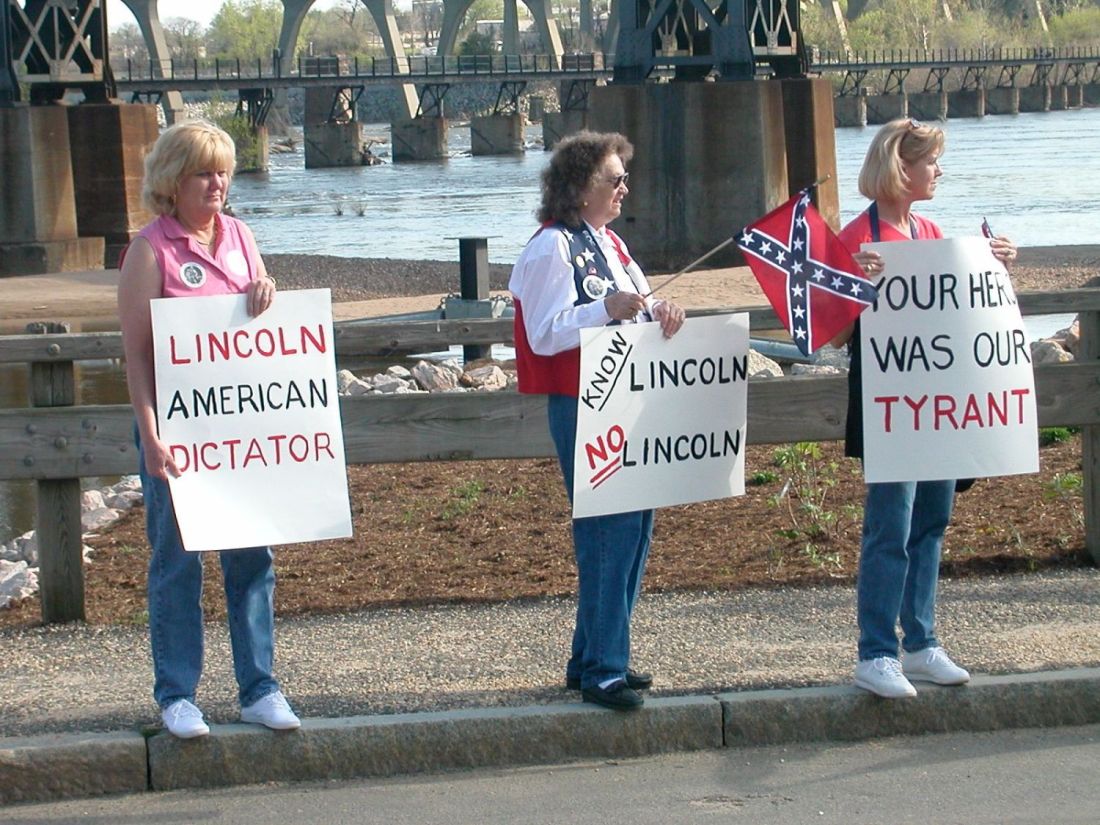
Describe at least two war powers that Lincoln claimed the executive branch could exercise during the Civil War. More broadly, do you agree with Randall’s description of Lincoln as a “benevolent dictator”?

How does Ableman v. Booth complicate our traditional understanding of the relationship between slavery, the federal government and the states?
Footnote: I do want you to read and grasp Taylor’s analysis of Dred Scott, but we will definitely talk about Dred Scott on Thursday, so try focus on Ableman for now. This might seem strange because it’s chronologically backward, but I promise you there are good reasons for such an approach, which I’ll explain in class.
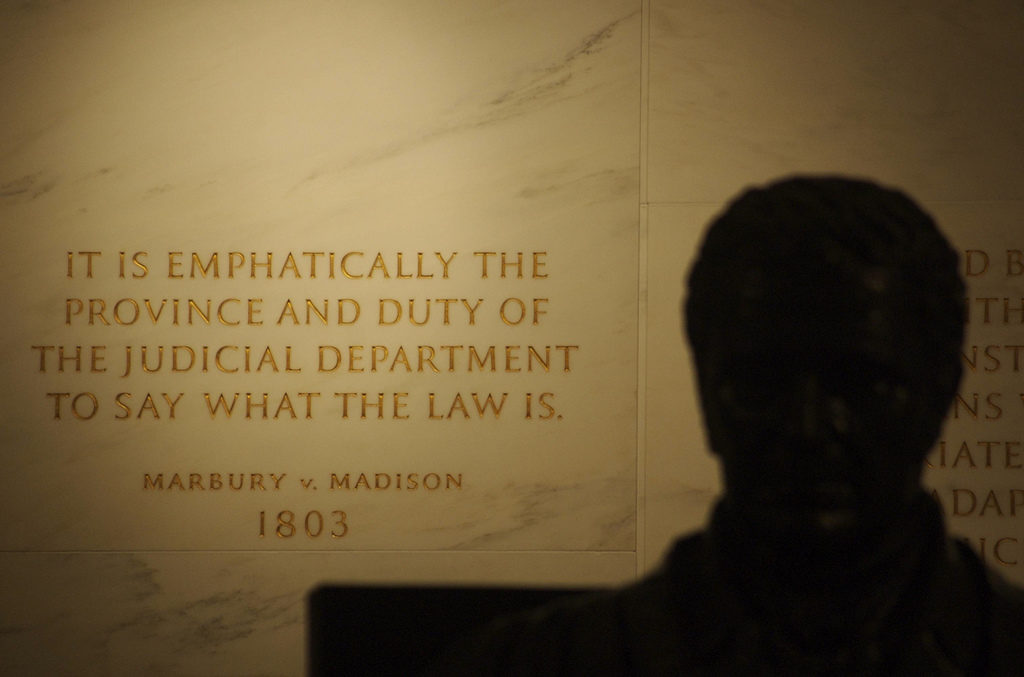
How does Klarman challenge our traditional understanding of Marbury v. Madison and the early national powers cases (e.g. Gibbons v Ogden, McCulloch v. Maryland)? What does he see as John Marshall’s most important contribution to the Supreme Court?
 Constitutional Law (Powers) Spring 2019